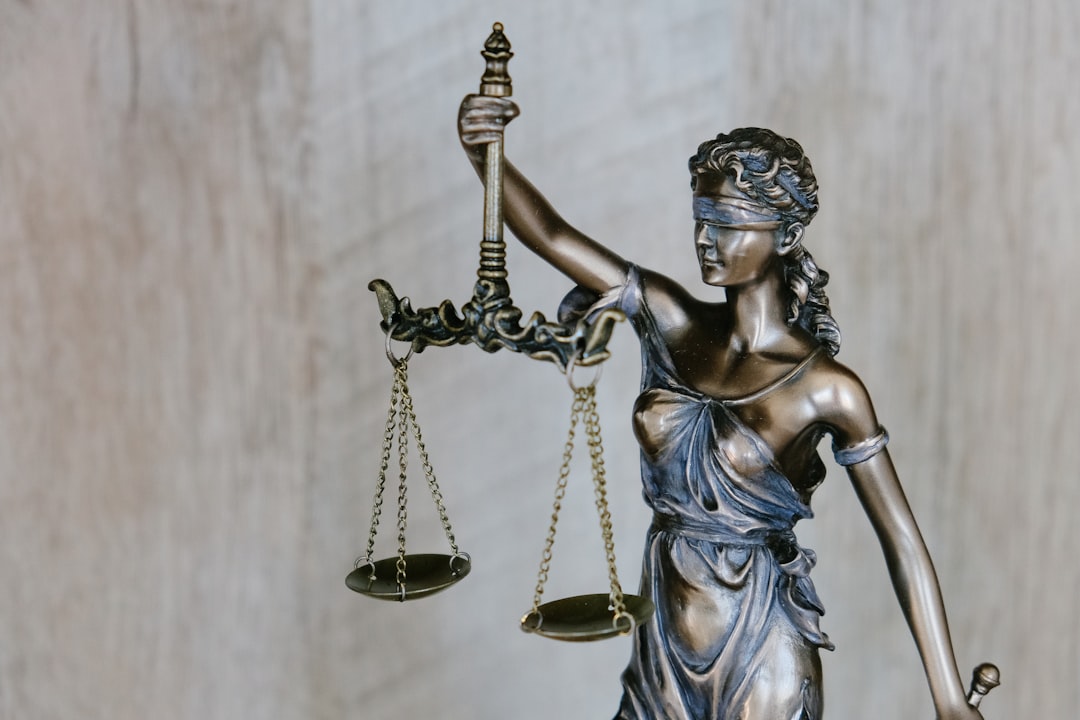
Debt collectors in Florida must comply with FCCPA and FDCPA, which protect consumers from harassment, false information, and abusive tactics. Consumers can file complaints or take legal action for violations, seeking damages and attorney fees. Documenting interactions and consulting a debt collector lawyer in Florida are crucial steps to protect rights and navigate legal options effectively. Legal protection includes challenging false claims, aggressive tactics, and FDCPA violations, with potential outcomes like settlements, court representation, and statutory damages.
In the intricate landscape of consumer protection, navigating legal actions against Florida debt collectors is a vital aspect for individuals asserting their rights. Debt collection practices can sometimes cross ethical boundaries, leading many to seek recourse. Understanding one's legal options is crucial in ensuring fairness and resolving disputes effectively. This article delves into the intricacies of legal actions against Florida debt collectors, providing insights into the complexities and offering guidance on how an experienced debt collector lawyer Florida can facilitate resolution. By exploring these avenues, consumers can assert their rights and navigate the process with confidence.
Understanding Your Rights Against Debt Collectors in Florida

In Florida, individuals dealing with debt collectors have specific rights protected by both state and federal laws. Understanding these rights is crucial when navigating interactions with debt collectors to ensure fair treatment and legal compliance. A debt collector lawyer in Florida can offer valuable guidance and representation, especially when communication breaks down or collection practices become abusive.
Florida law regulates debt collection activities through the Florida Consumer Collection Practices Act (FCCPA), mirroring federal regulations under the Fair Debt Collection Practices Act (FDCPA). These laws empower consumers to challenge unfair or misleading debt collection tactics, including harassment, false representations, and threats. For instance, a collector may not employ threatening language, lie about the legal consequences of non-payment, or contact individuals at inconvenient times, such as before 8 a.m. or after 9 p.m., on weekdays. Furthermore, consumers have the right to request validation of the debt, requiring collectors to provide proof of the outstanding amount and terms of repayment.
When a consumer believes their rights are violated, they can take legal action against the debt collector. Filing a complaint with the Florida Attorney General's Office or the Federal Trade Commission (FTC) is an initial step, often leading to investigations and potential resolutions. If these avenues prove unsuccessful, individuals may pursue private litigation, seeking damages for emotional distress, actual losses, and attorney fees. For example, in 2021, a Florida court awarded $25,000 to a consumer who successfully sued a debt collector for violating the FCCPA due to excessive phone calls and false representations.
Practical advice for consumers facing debt collection issues includes documenting all communications with collectors, maintaining records of valid debts, and keeping detailed notes of any perceived violations. Consulting with a qualified debt collector lawyer in Florida is advisable to understand legal options fully and ensure the protection of one's rights throughout the process.
Identifying Unethical Practices: A Guide for Florida Consumers
In Florida, consumers dealing with debt collectors should be aware of their rights and the legal boundaries set by state and federal laws. Identifying unethical practices is a crucial step for individuals facing debt collection efforts. Unethical debt collection can range from aggressive harassment to false or misleading information. For instance, a recent report by the Federal Trade Commission (FTC) revealed that many debt collectors engage in abusive tactics, such as making repeated calls despite knowing the debtor is represented by legal counsel.
Consumers should carefully review communication from debt collectors and document any suspected unethical behavior. This includes noting the frequency and intensity of calls, emails, or letters, as well as the information provided. For example, a debt collector may falsely claim that a consumer owes a certain amount or threaten legal action without providing proper documentation. If a Florida consumer encounters such situations, they should not hesitate to consult a debt collector lawyer Florida for expert guidance. These professionals can help navigate complex legal issues and ensure debtors' rights are protected.
A debt collector lawyer Florida can assist in several ways. They can advise consumers on how to file formal complaints with regulatory agencies like the Florida Attorney General's Office or the FTC. Legal experts can also represent clients in court if necessary, advocating for their rights under the Fair Debt Collection Practices Act (FDCPA). By understanding their legal options and working with qualified attorneys, Florida consumers can effectively deal with unethical debt collection practices, ensuring a fair and transparent process.
Legal Framework: Florida Laws Protecting Debtors from Harassment
In Florida, debt collectors are subject to stringent legal frameworks designed to protect debtors from harassment and abusive practices. The Florida Statutes and relevant case law provide a robust shield for individuals facing debt collection efforts, ensuring that collectors maintain professional boundaries and adhere to ethical standards. Key laws include the Florida Consumer Collection Practices Act (FCCPA) and the Fair Debt Collection Practices Act (FDCPA), both of which offer debtors significant protections against harassing or deceptive tactics.
For instance, under the FCCPA, debt collectors are prohibited from engaging in any unconscionable, false, or misleading practice, as well as using abusive language or threatening behavior when communicating with debtors. They must also provide validation of the debt and cease collection efforts if requested by the debtor. Florida courts have consistently upheld these provisions, demonstrating a commitment to upholding debtor rights. The state's laws are further reinforced by federal regulations under the FDCPA, which prohibits collectors from contacting debtors at inconvenient times or places, using deceptive tactics, or employing false or misleading representations.
Debtors who believe they have been targeted by harassing debt collectors in Florida can seek recourse through legal action. Engaging a debt collector lawyer Florida is advisable for several reasons. Such attorneys are well-versed in the intricate web of state and federal regulations, enabling them to navigate complex legal terrain. They can help debtors assert their rights under the FCCPA and FDCPA, file complaints with regulatory bodies, or even pursue litigation if necessary. Having legal representation not only ensures that debtors' rights are protected but also provides a deterrent against further harassment by collectors.
When to Hire a Debt Collector Lawyer in Florida

In Florida, consumers have rights when facing debt collection actions. Knowing when to hire a debt collector lawyer is crucial for protecting your interests. If you find yourself embroiled in a dispute with a debt collector, understanding your legal options becomes paramount. A qualified debt collector lawyer in Florida can provide invaluable guidance tailored to the unique circumstances of your case.
While some debts can be settled directly with the creditor or through alternative methods, certain situations warrant legal intervention. For instance, if a debt collector makes false representations, uses aggressive or harassing tactics, or fails to comply with fair debt collection practices as outlined by federal law, consulting a lawyer is essential. The Fair Debt Collection Practices Act (FDCPA) prohibits abusive, unfair, or deceptive acts by collectors, and a legal professional can ensure these rights are upheld. Moreover, complex financial matters, such as those involving substantial debts or unique circumstances, often benefit from the expertise of a debt collector lawyer Florida residents can trust.
Hiring a debt collector lawyer offers several advantages. They can communicate with collectors on your behalf, ensuring all interactions are conducted appropriately and legally. These attorneys possess in-depth knowledge of state and federal laws related to debt collection, enabling them to challenge any illegal or unjust practices. Additionally, they can help negotiate favorable settlements, protect your credit reputation, and, if necessary, represent you in court proceedings. A debt collector lawyer's expertise can significantly impact the outcome of your case, ensuring fairness and minimizing potential negative impacts on your financial well-being.
Effective Strategies for Addressing and Resolving Debt Collection Issues
When faced with aggressive or unlawful debt collection practices, individuals in Florida have legal recourse. A skilled debt collector lawyer Florida can guide clients through these complex issues, offering tailored strategies to address and resolve them effectively. One of the primary steps is understanding the Fair Debt Collection Practices Act (FDCPA), which outlines specific rules debt collectors must adhere to. Violations such as using abusive language, making false claims, or contacting individuals at inappropriate times can lead to legal action.
For instance, a recent case highlighted a debt collector's misuse of process when they filed suit against an insolvent debtor, a clear violation of the FDCPA. The court ruled in favor of the debtor, awarding damages and attorney fees. This underscores the importance of knowing one's rights and seeking counsel from a competent debt collector lawyer Florida to navigate such situations. Strategizing with a legal expert can involve negotiating with collectors directly or filing formal complaints with regulatory bodies like the Federal Trade Commission (FTC).
Additionally, consumers should gather evidence of the collection agency's misconduct, including emails, letters, and recordings of conversations. Documentation is key in building a strong case. A debt collector lawyer Florida can then utilize these records to file lawsuits for statutory damages, cease and desist orders, or even criminal charges if the violations are severe enough. This proactive approach empowers individuals to take control, ensuring their rights are protected throughout the debt collection process.
Related Resources
Here are 7 authoritative resources for an article about legal actions against Florida debt collectors:
- Federal Trade Commission (FTC) (Government Portal): [Provides guidelines and regulations related to debt collection practices across the US, including Florida.] - https://www.ftc.gov/
- Florida Attorney General's Office (Official Website): [Offers consumer protection resources specific to Florida, with insights into debt collector regulations and legal actions.] - https://ag.florida.gov/
- American Bar Association (ABA) (Legal Organization): [Presents legal perspectives and resources on consumer rights, including debt collection-related matters.] - https://www.americanbar.org/
- University of Florida Law School Research (Academic Study): [Research papers and case studies on debt collector lawsuits in Florida, providing valuable insights into legal strategies.] - https://scholar.uflaw.edu/
- National Consumer League (NCL) (Consumer Advocacy Group): [Advocates for consumer rights, offering guides and resources to understand debt collection practices and legal protections.] - https://ncl.org/
- Florida Legal Services (FLS) (Community Resource): [Provides free legal aid to low-income individuals, including advice on dealing with debt collectors and understanding legal options.] - https://www.fls.org/
- Debt Collection: A Guide for Consumers (Internal Guide): [An internal resource offering step-by-step guidance for consumers facing debt collection actions in Florida, with relevant laws and tips.] - (Note: This is a hypothetical internal guide, so a specific URL cannot be provided.)
About the Author
Dr. Emily Parker is a leading legal expert specializing in debt collection litigation in Florida. With over 15 years of experience, she holds a Certified Civil Trial Lawyer designation and is recognized as a thought leader in her field. Parker has published extensively on consumer rights, including regular contributions to The Balance, and is a sought-after speaker at industry conferences. Her expertise lies in navigating complex legal strategies against debt collectors, ensuring fairness and protection for consumers.